

Lupus: Symptoms, Causes, Treatments, and Specific Considerations for Black Skin
What Is Lupus?
Lupus is a chronic autoimmune disease in which the immune system mistakenly attacks the body's own tissues. This inflammatory response can affect the skin, joints, kidneys, heart, lungs, brain, and blood cells. Symptoms vary from one person to another, which can sometimes make diagnosis challenging.
In people with Black, Brown, or Mixed-Race skin, skin manifestations may differ from those seen in lighter skin tones. Redness is often less visible, while pigmentation disorders such as hyperpigmentation or depigmentation tend to be more pronounced. Understanding these differences can help improve diagnosis and treatment.
Key Takeaways
- Lupus is an autoimmune disease, not a contagious condition.
- It typically progresses through periods of flare-ups and remission.
- It may affect only the skin or involve multiple organs.
- Women are most commonly affected, particularly between the ages of 15 and 45.
- People of African, Afro-Caribbean, and Asian descent are at higher risk.
What Are the Main Symptoms of Lupus?
Lupus is often referred to as "the disease of a thousand faces" because its symptoms vary greatly from one person to another. Some individuals experience only skin lesions, while others also develop joint pain, severe fatigue, or involvement of multiple organs.
| Affected Organ | Common Symptoms |
|---|---|
| Skin | Butterfly-shaped rash, red patches, photosensitivity, hyperpigmentation, depigmentation. |
| Joints | Pain, swelling, stiffness. |
| General Health | Chronic fatigue, fever, weight loss. |
| Hair | Diffuse or localized hair loss. |
| Other Organs | Kidney, lung, heart, or neurological involvement depending on the form of lupus. |
Symptoms usually occur in flare-ups. Their severity may change over time, with periods of remission during which the disease is minimally active or inactive.
Medical Advice
Persistent fatigue associated with joint pain, photosensitivity, or unexplained skin lesions should prompt a consultation with a physician or dermatologist. Early diagnosis allows appropriate treatment to begin sooner and helps reduce the risk of complications.
Why Is Lupus More Difficult to Recognize in Black Skin?
In melanin-rich skin, inflammatory lesions are often less red than they appear on lighter skin tones. Instead, they may present as dark brown, purple, or grayish patches and can lead to post-inflammatory hyperpigmentation or persistent depigmentation. These characteristics may delay diagnosis if they are not recognized.
Research also shows that lupus is more common among people of African or Afro-Caribbean descent and may progress to more severe forms. This highlights the importance of regular medical follow-up and early treatment.
Coming Up Next
Discover the different types of lupus, their causes, risk factors, available treatments, and the specific considerations for Black, Brown, and Mixed-Race skin.
What Are the Different Types of Lupus?
Lupus is not a single disease. There are several forms that differ in the organs they affect, their progression, and their severity. Some are limited to the skin, while others can involve multiple organs and require specialized medical care.
| Type of Lupus | Characteristics |
|---|---|
| Systemic Lupus Erythematosus (SLE) | The most common form. It can affect the skin, joints, kidneys, heart, lungs, or nervous system. |
| Cutaneous Lupus | Primarily affects the skin, causing plaques, photosensitivity, and sometimes pigmentation disorders. |
| Discoid Lupus | A chronic form of cutaneous lupus that may leave scars and cause permanent hair loss. |
| Drug-Induced Lupus | A rare form triggered by certain medications that usually resolves after the medication is discontinued under medical supervision. |
| Neonatal Lupus | A rare condition caused by the transfer of maternal antibodies during pregnancy. |
Key Takeaways
Systemic lupus erythematosus (SLE) is the most common and best-known form of lupus. However, not all forms are equally severe. Some remain limited to the skin, while others require ongoing medical monitoring to prevent complications.
Why Does Lupus Develop?
Researchers do not yet know the exact cause of lupus. The disease is believed to result from a combination of genetic predisposition and environmental triggers that cause the immune system to respond abnormally.
Under normal circumstances, the immune system protects the body by eliminating viruses and bacteria. In people with lupus, it produces autoantibodies that mistakenly attack the body's own cells, leading to chronic inflammation responsible for the disease's symptoms.
| Risk Factor | Possible Role |
|---|---|
| Genetic predisposition | Increases the risk but does not cause the disease on its own. |
| UV radiation | May trigger or worsen flare-ups in some individuals. |
| Female hormones | Likely explain why women are more frequently affected. |
| Certain medications | May cause drug-induced lupus. |
| Environmental factors | Their role is still being investigated (infections, smoking, etc.). |
Who Is Most at Risk?
Although lupus can affect anyone, certain groups are at a higher risk of developing the disease.
- Women, who account for nearly 9 out of 10 cases.
- People between the ages of 15 and 45.
- Individuals with a family history of lupus or other autoimmune diseases.
- People of African, Afro-Caribbean, Asian, or Hispanic descent, among whom lupus is more common and may be more severe.
- Individuals with significant photosensitivity.
Dermatologist's Advice
Daily sun protection is recommended for people living with lupus, even if they have darker skin. UV radiation can trigger skin flare-ups and worsen existing lesions.
Coming Up Next
In the next section, discover why lupus presents unique characteristics in Black, Brown, and Mixed-Race skin, how to recognize its skin manifestations, and which tests are used to confirm the diagnosis.
Is Lupus Different in Black, Brown, and Mixed-Race Skin?
Lupus can affect people of all skin tones, but several studies have shown that it is more common among people of African, Afro-Caribbean, and certain Asian backgrounds. In these populations, the disease often develops at a younger age and may progress to more severe forms, particularly when it affects the kidneys or other internal organs.
Skin manifestations also have unique characteristics. In melanin-rich skin, redness is often less noticeable, and lesions may appear dark brown, purple, or grayish. They can leave behind post-inflammatory hyperpigmentation or persistent depigmentation, which may sometimes delay diagnosis.
Why Is This Important?
Improving awareness of how lupus presents in Black skin can help reduce diagnostic delays, allowing treatment to begin earlier and lowering the risk of long-term complications.
What Are the Skin Signs of Lupus?
The skin is one of the organs most commonly affected by lupus. Skin lesions often appear after sun exposure and tend to occur in flare-ups. Their appearance varies depending on the type of lupus and the individual's skin tone.
| Skin Manifestation | Description |
|---|---|
| Butterfly rash | A red rash or pigmented patch across the cheeks and bridge of the nose. |
| Photosensitivity | Ultraviolet (UV) exposure triggers or worsens skin lesions. |
| Discoid plaques | Thick, scaly plaques that may leave permanent scars. |
| Pigmentation disorders | Persistent hyperpigmentation or depigmentation, especially in darker skin tones. |
| Alopecia | Diffuse or localized hair loss. |
For some individuals, skin symptoms are the first sign of lupus. They may appear months before other symptoms develop, making prompt medical evaluation essential when skin lesions persist.
How Is Lupus Diagnosed?
There is no single test that can definitively diagnose lupus. Diagnosis is based on a combination of symptoms, a physical examination, and several laboratory tests requested by a healthcare professional.
| Diagnostic Test | Purpose |
|---|---|
| Clinical examination | Identify symptoms and determine which organs are affected. |
| Blood tests | Detect antinuclear antibodies (ANA) and other autoantibodies. |
| Urine tests | Check for kidney involvement. |
| Skin biopsy | Confirm certain forms of cutaneous lupus. |
| Additional investigations | Assess the heart, lungs, kidneys, or other organs when necessary. |
Dermatologist's Advice
Early medical evaluation is recommended if you experience persistent skin plaques, marked photosensitivity, unexplained hair loss, or pigmentation changes associated with joint pain or unusual fatigue. Prompt diagnosis improves long-term outcomes and helps reduce complications.
In the Final Section
Discover the available treatments, practical tips to help prevent lupus flare-ups, sun protection recommendations, and answers to the most frequently asked questions about lupus.
What Are the Treatments for Lupus?
There is currently no cure for lupus. However, appropriate treatment can help control flare-ups, reduce inflammation, and minimize long-term complications. Treatment is tailored to the type of lupus, the organs involved, and the severity of the disease.
| Treatment | Purpose |
|---|---|
| Antimalarial medications | Reduce flare-ups and control skin and joint symptoms. |
| Corticosteroids | Rapidly reduce inflammation during flare-ups. |
| Immunosuppressive medications | Treat moderate to severe lupus involving internal organs. |
| Biologic therapies | Used in certain cases when conventional treatments are not sufficiently effective. |
| Topical treatments | Relieve skin lesions and help protect the skin. |
How Can You Help Prevent Lupus Flare-Ups?
Although flare-ups cannot always be prevented, certain lifestyle habits can help reduce their frequency and severity.
- Apply a broad-spectrum SPF 50+ sunscreen every day.
- Avoid prolonged sun exposure.
- Take your prescribed medications as directed.
- Never stop treatment without consulting your healthcare provider.
- Avoid smoking whenever possible.
- Get enough sleep and manage stress effectively.
- Seek medical advice promptly if new symptoms appear.
Focus on Black Skin
Daily sun protection is essential for Black, Brown, and Mixed-Race skin. Although melanin provides some natural protection against UV radiation, it does not prevent lupus flare-ups or the pigmentation disorders that can develop after skin inflammation.
Frequently Asked Questions About Lupus
Is Lupus Contagious?
No. Lupus is an autoimmune disease and cannot be transmitted from one person to another.
Can You Live a Normal Life with Lupus?
Yes. Thanks to advances in treatment and regular medical follow-up, many people living with lupus lead active and independent lives.
Does Sun Exposure Make Lupus Worse?
Yes. For many people with lupus, ultraviolet (UV) rays can trigger or worsen flare-ups, especially skin manifestations.
Is Lupus Hereditary?
There is a genetic predisposition to lupus, but the disease is not strictly hereditary. Several genetic and environmental factors contribute to its development.
Why Is Lupus More Common in Women?
Female hormones are believed to play a role in the development of lupus, which helps explain why the disease is much more common in women of childbearing age.
Key Takeaways
Lupus is a chronic autoimmune disease that can affect multiple organs and cause skin manifestations that may appear differently in Black, Brown, and Mixed-Race skin. Early diagnosis, regular medical follow-up, appropriate sun protection, and consistent adherence to treatment can effectively control the disease and improve quality of life.
Take Care of Your Skin While Living with Lupus
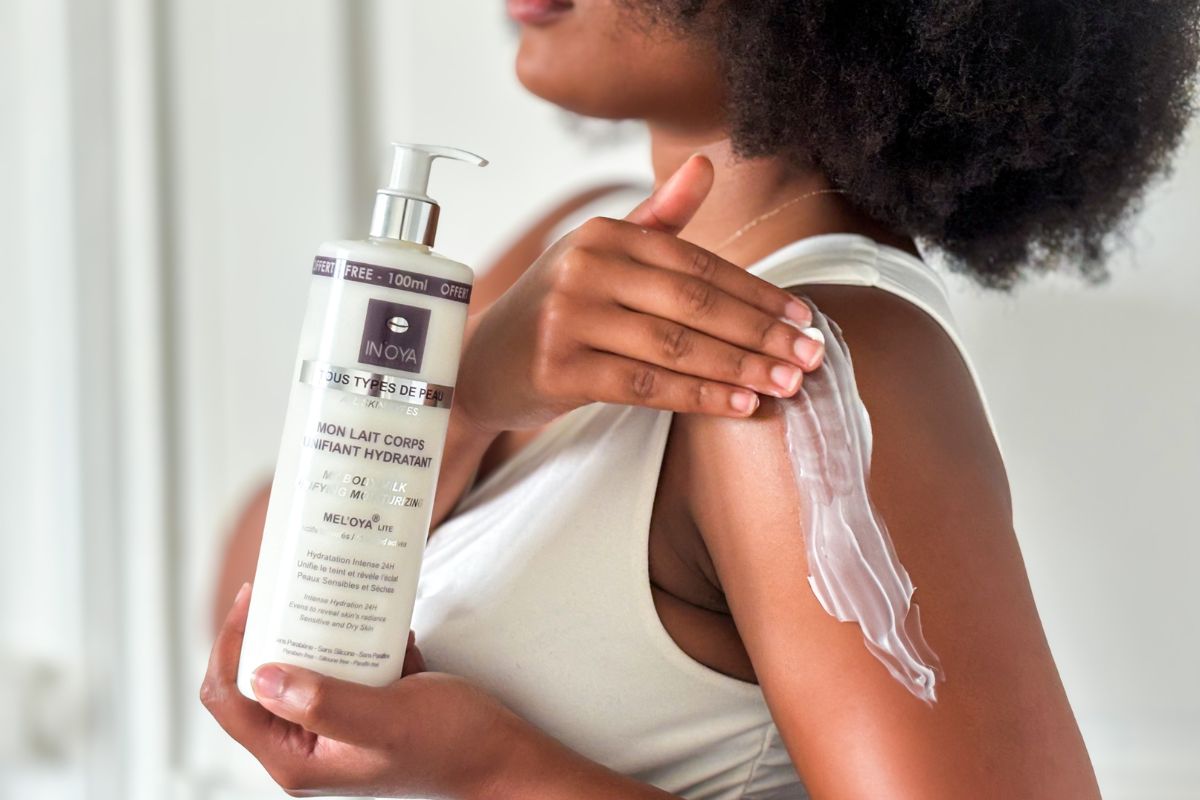
Skin affected by lupus requires gentle care, daily hydration, and protection against external aggressors. Discover IN'OYA skincare products, specially formulated for melanin-rich skin to help preserve the skin's natural balance.