
Acne on Dark Skin: How to Prevent Post-Pimple Marks?
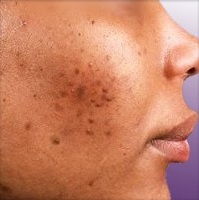
Acne affects all skin tones, but on dark and mixed-race skin, it can leave lasting marks called post-inflammatory hyperpigmentation. These dark spots appear after pimples heal and can persist for several weeks or even months. Understanding the mechanisms and adopting an appropriate skincare routine is essential to limit their appearance.
Why Are Darker Skin Tones More Prone to Post-Pimple Marks?
Dark skin naturally contains more melanin, the pigment responsible for skin color. This melanin-rich skin is better protected against certain UV damages but is also more reactive after inflammation. Even a simple pimple can stimulate melanocytes, the cells that produce melanin, resulting in localized dark spots. Repeated trauma such as picking or squeezing pimples increases this risk, making prevention and proper skincare essential.
How Pimples Form: Acne Mechanisms
Acne is a common skin condition that occurs mainly in areas rich in sebaceous glands, such as the face, back, and chest. The process unfolds in several steps:
Excess Sebum
Sebaceous glands naturally produce sebum, a protective lipid film. In some people, especially during adolescence or hormonal imbalances, these glands produce too much sebum.
Follicle Blockage
Excess sebum, combined with dead skin cells, forms a plug in the hair follicle. This plug creates a closed environment called a microcomedone.
Bacterial Proliferation
In this lipid-rich, low-oxygen environment, certain skin bacteria, especially Cutibacterium acnes, multiply. Their presence stimulates the production of inflammatory mediators.
Inflammation and Pimple Formation
Inflammation caused by bacteria and the immune response leads to redness, pain, and swelling. Depending on the depth and intensity of inflammation:
- Closed comedones: white pimples
- Open comedones: blackheads
- Papules and pustules: red pimples or pus-filled bumps
Post-Pimple Hyperpigmentation: Mechanisms and Prevention
In darker skin, the risk of dark spots after a pimple is higher due to melanin richness. Here’s how it happens:
Melanocyte Activation
Melanocytes are the cells responsible for melanin production. When inflammation occurs (pimple, irritation, scratching), chemical signals stimulate melanocytes to produce more melanin in the affected area.
Melanin Accumulation in Superficial Layers
The melanin produced can accumulate in the epidermis (skin surface) or sometimes in the dermis (deeper layer). This accumulation appears visually as a dark or hyperpigmented spot.
Aggravating Factors
- Skin trauma: scratching, squeezing, or rubbing pimples
- Sun exposure: UV rays further stimulate melanin production
- Prolonged inflammation: persistent or severe pimples
Duration and Treatment
These spots can last several weeks to months, or longer if the skin continues to experience irritation. Using suitable skincare (gentle cleansers, depigmenting agents, sun protection) helps accelerate fading and prevent new marks.
Adopting an Appropriate Skincare Routine
Adopting a suitable dermocosmetic routine is essential to maintain healthy skin and reduce imperfections. Contrary to the belief that long, complex routines are more effective, a short, targeted routine often gives better results. The key is following a simple yet complete sequence: cleansing, targeted treatment, hydration, and sun protection.
Cleansing
Cleansing is a crucial step, often underestimated. Well-cleansed skin forms the foundation for preventing imperfections and allowing subsequent products to work effectively. It is recommended to use purifying foams or gels formulated to respect the skin barrier, containing active ingredients known to limit bacterial proliferation and acne, such as Salicylic Acid, Zinc PCA, or Enantia Chlorantha bark extract. These ingredients help regulate excess sebum and reduce inflammation while maintaining the skin’s natural balance.
Discover CLEAN’OYA® Purifying Cleansing Foam
Exfoliation
Once or twice a week, a gentle exfoliating gel can be used to remove dead skin cells and refine skin texture. For acne-prone skin, avoid aggressive mechanical scrubs with large grains, which can irritate and worsen scars or post-inflammatory spots. Formulas containing Niacinamide, Salicylic Acid, or bamboo and Enantia Chlorantha extracts are particularly effective for gentle chemical or enzymatic exfoliation.
Targeted Treatment
After cleansing and exfoliation, applying a targeted treatment is next. Anti-imperfection treatments combine specific ingredients to combat blemishes. Key components include Niacinamide (reduces redness and regulates sebum), Salicylic Acid (promotes cell renewal and unclogs pores), and Zinc PCA (antibacterial and anti-inflammatory). Tea Tree essential oil complements this action by reducing bacterial proliferation. These ingredients work synergistically to treat imperfections while respecting the skin.
Discover ACN’OYA® Anti-Imperfection Skincare
Hydration
Hydration is often overlooked but is crucial even for oily or acne-prone skin. A lightweight yet effective moisturizer restores the skin barrier, prevents dehydration, and regulates sebum production. Proper skin hydration reduces inflammation and improves tolerance to active ingredients.
Sun Protection
Finally, sun protection is essential. Sun exposure can worsen acne and promote post-inflammatory pigmentation. UV rays stimulate melanin production, intensifying marks left by pimples, and can damage the skin barrier, increasing sensitivity to irritants and bacteria. A suitable SPF 50 sunscreen, lightweight and non-comedogenic, protects the skin while preserving the effects of anti-imperfection treatments.
An effective routine is measured not by length but by the relevance and complementarity of its steps and actives: gentle cleansing, targeted treatment for imperfections, and proper sun protection. This approach ensures healthy, protected skin without overloading the daily routine.
Actions to Avoid to Prevent Dark Spots
To prevent dark spots and limit post-pimple marks, certain actions must be avoided. Picking or squeezing pimples is the most harmful reflex. These actions spread bacteria, worsen inflammation, and stimulate melanin production, leading to persistent dark marks. Patience is essential: allowing the skin to repair naturally reduces the risk of scars and marks.
Excessive use of abrasive products or strong chemical exfoliants can also damage the skin. Repeated irritation disrupts the skin barrier, triggering pigmentation reactions and worsening spots. It is important to choose gentle products suited to your skin type and avoid using multiple treatments simultaneously. Checking product compatibility is crucial, as some combinations can be counterproductive or too aggressive for acne-prone skin.
In some cases, temporarily limiting makeup can help the skin breathe and regenerate. Even non-comedogenic products can sometimes irritate or clog pores if worn daily, especially on already sensitive acne-prone skin. Leaving the skin “natural” for a few days or weeks can improve tolerance and enhance the effects of dermocosmetic treatments.
Preventing spots is not only about topical treatments. Diet and hydration play a fundamental role in skin health. Excess sugar, processed foods, or high-fat meals can trigger inflammation, increase sebum production, and worsen acne. Conversely, a varied, balanced diet rich in vitamins, minerals, and antioxidants supports skin regeneration and limits dark spots. Proper hydration also promotes cell renewal and keeps the skin supple and resilient against external aggressions.
When to Consult a Dermatologist?
If spots persist despite an appropriate routine, or if acne becomes severe, consulting a dermatologist is recommended. Professionals can offer targeted treatments such as mild peels, depigmenting care, or combined therapies to reduce inflammation and even out skin tone, while respecting the characteristics of dark skin.
Discover the Anti-Acne & Dark Spot Routine for Dark and Mixed Skin