
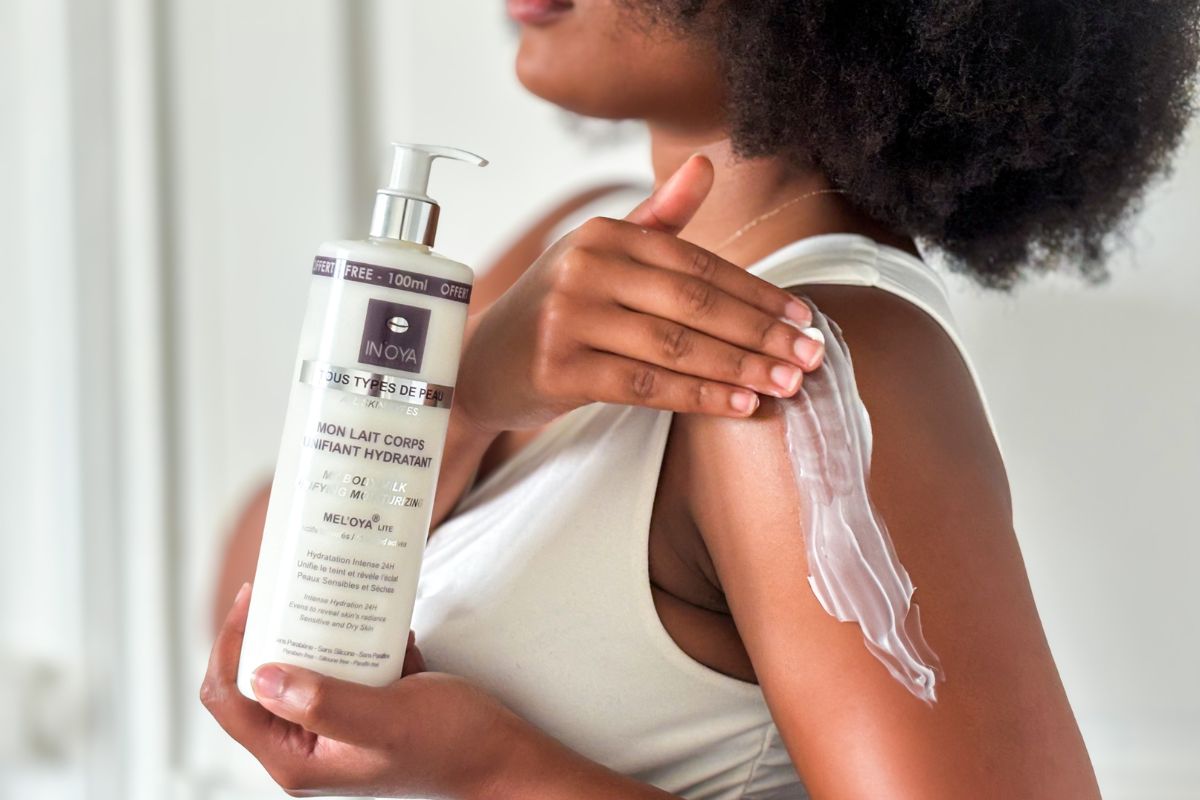

Dark, Black, and Mixed Skin: The 5 Mistakes That Make Dark Spots Worse During a Heatwave (and How to Avoid Them)
You apply sunscreen every morning… yet your dark spots become more noticeable as temperatures rise? You may be making everyday mistakes that contribute to hyperpigmentation during the summer—even when you think you're doing everything right.
For Black, Brown, and mixed skin tones, heat, UVA rays, visible light, and certain seemingly harmless habits can stimulate melanocytes and intensify pigmentation. That's why many people notice that melasma or post-inflammatory hyperpigmentation becomes worse every summer.
The good news is that most of these flare-ups can be prevented. By understanding the underlying mechanisms and following the right skincare routine, you can reduce summer flare-ups and maintain a more even-looking complexion.
✔ Heat can worsen dark spots even without direct sun exposure.
✔ Melanin-rich skin is naturally more prone to pigmentation disorders.
✔ Certain everyday habits can unknowingly make pigmentation worse.
✔ Correcting these habits today can help prevent dark spots from worsening all summer long.
Your first essential step during hot weather: protect your skin every morning with a sunscreen specifically formulated for melanin-rich skin.
Discover My SPF 50 Sunscreen FluidWhy Are Dark, Black, and Mixed Skin Tones More Prone to Hyperpigmentation?
Melanin-rich skin naturally contains more active melanocytes. This characteristic provides excellent protection against ultraviolet radiation, but it also makes the skin more reactive when exposed to triggers such as UV rays, heat, inflammation, or hormonal changes.
Whenever melanin-rich skin experiences irritation or stress, melanocytes tend to produce more melanin to protect the tissue. In some individuals, this response becomes excessive, resulting in persistent dark spots.
This explains why melasma, post-inflammatory hyperpigmentation (PIH), and acne marks are more common—and often more persistent—in Black, Brown, and mixed skin tones.
Why Does a Heatwave Make Hyperpigmentation Worse?
For many years, UV rays were considered the only cause of worsening dark spots. Today, research shows that heat itself also plays an important role. Several scientific studies suggest that an increase in skin temperature can activate biological pathways involved in pigmentation, particularly in people prone to melasma.
In practical terms, this means that a very hot day, working in a professional kitchen, sitting in an overheated car, or spending time in a poorly ventilated environment may stimulate melanocytes—even without direct sun exposure.
Studies published in the Journal of the American Academy of Dermatology, along with research indexed on PubMed, suggest that heat, heat shock proteins (HSPs), and inflammatory pathways may contribute to worsening melasma in predisposed individuals. These findings help explain why pigmentation often flares up during the summer months.
The 5 Mistakes That Make Your Dark Spots Worse During a Heatwave (and How to Avoid Them)
During periods of extreme heat, it's not just UV rays that contribute to hyperpigmentation. Everyday habits can unknowingly make dark spots worse. The good news? Once you recognize these mistakes, they're easy to correct.
Small habits repeated every day often have a greater impact than occasional sun exposure. A consistent daily skincare routine protects your skin far more effectively than sunscreen used only on vacation.
Mistake #1: Thinking Staying in the Shade Is Enough
You're having lunch under a patio umbrella. Walking down a shaded street. Sitting beside a large window. You feel protected. Yet your skin is still exposed to UVA rays and visible light—both known to contribute to melasma and certain forms of hyperpigmentation.
Meanwhile, the surrounding heat continues to increase your skin temperature, which may stimulate melanocytes. In other words, even without direct sunlight, your skin can remain in an environment that promotes pigmentation.
Continue applying SPF 50 even if you spend most of your time in the shade. An umbrella blocks direct sunlight—but it doesn't completely block UVA rays.
Even in the shade, sunscreen remains essential if you have melasma.
Discover My SPF 50 Sunscreen FluidMistake #2: Forgetting to Reapply Sunscreen
You carefully apply SPF every morning. As the day goes on, you sweat, wipe your face, adjust your sunglasses, and touch your skin. Gradually, your sun protection becomes less effective.
That's why dermatologists recommend reapplying sunscreen regularly whenever you spend time outdoors—especially during a heatwave.
| Situation | Reapply SPF? |
|---|---|
| Office work | Depending on sun exposure |
| Walking outdoors | Yes |
| At the beach | Every two hours |
| After sweating | Yes |
Mistake #3: Stopping Your Dark Spot Routine During Vacation
Many people stop using their pigmentation serum during the summer because they want to let their skin "breathe." Ironically, this is exactly when melanocytes are at their most active.
A consistent skincare routine helps support your skin throughout the summer. The goal isn't to achieve overnight results—it's to prevent dark spots from becoming even more noticeable.
"I used to stop using my serum every summer. Since I started using it year-round together with SPF 50, my dark spots hardly darken anymore during vacations."
— Sophie, 38
Mistake #4: Believing Dark Skin Doesn't Need Daily Sun Protection
Melanin-rich skin has more natural protection against UVB rays, but it is still highly sensitive to UVA rays, visible light, and inflammation—all major contributors to melasma and post-inflammatory hyperpigmentation.
Skipping sunscreen because your skin rarely burns can therefore allow pigmentation to worsen over time, especially during hot summer months.
Wear a broad-spectrum SPF 50 every morning—even if your skin rarely burns. Protecting melanin-rich skin is about preventing hyperpigmentation, not just preventing sunburn.
Mistake #5: Waiting Until Dark Spots Become More Visible Before Taking Action
Many people only restart their skincare routine once they notice their pigmentation becoming darker. Unfortunately, by then, melanin production has already increased.
Prevention is much more effective than correction. Maintaining a consistent routine throughout the summer helps reduce flare-ups before they become visible.
The earlier you protect your skin, the easier it is to prevent summer pigmentation from worsening.
Discover My SPF 50 Sunscreen FluidCommon Myths That Make Melasma Worse
Some misconceptions are surprisingly persistent. Unfortunately, they often lead to habits that gradually worsen hyperpigmentation. Here are the most common myths.
"I'm Black, so I don't need sunscreen."
Black and mixed skin naturally has better protection against UVB rays. However, it remains sensitive to UVA rays, visible light, and inflammatory processes involved in melasma and post-inflammatory hyperpigmentation. Daily sun protection is therefore recommended if you want to reduce the recurrence of dark spots.
"My melasma will disappear after pregnancy."
For some women, pigmentation gradually fades after childbirth. For others, however, it can persist for years. Without consistent sun protection and a dedicated skincare routine, dark spots often return every summer.
"I can stop my skincare routine while on vacation."
Quite the opposite. Vacation is often when UVA exposure, visible light, and heat are at their highest. This is exactly when your skin needs a consistent anti-pigmentation routine the most.
Summer flare-ups are usually caused by a series of small daily mistakes—not by a single day of intense sun exposure.
What Dermatologists Recommend to Reduce Summer Flare-Ups
Although every case is different, dermatologists generally agree on a few simple principles. The goal is to minimize all the factors that stimulate melanocytes during hot weather.
| Recommendation | Why? |
|---|---|
| Daily SPF 50 | Reduce UVA exposure |
| Wear a wide-brimmed hat | Limit direct sun exposure |
| Maintain your anti-dark spot routine | Support your skin throughout summer |
| Avoid the hottest hours of the day | Reduce the combined effects of UV rays and heat |
What Does Scientific Research Say?
Our understanding of melasma continues to evolve every year. Some mechanisms are now well established, while others are still being investigated.
- Studies published in the Journal of the American Academy of Dermatology confirm that UVA rays play a major role in the development and recurrence of melasma.
- Research indexed on PubMed shows that visible light can also contribute to darkening hyperpigmentation in people with melanin-rich skin.
- Several studies suggest that heat activates inflammatory pathways and heat shock proteins that may worsen melasma.
- Dermatology experts emphasize the importance of a comprehensive approach combining sun protection, avoidance of aggravating factors, and a consistent skincare routine.
In practical terms, these findings reinforce one simple message: protecting your skin from the sun alone isn't always enough. Long-term improvement requires addressing all known factors involved in hyperpigmentation.
The Complete Anti-Dark Spot Routine for Hot Weather
Morning Routine
Start your day by gently cleansing your face with My Purifying Cleansing Foam to remove overnight impurities without disturbing the skin barrier. Next, apply the Anti-Dark Spot Serum to clean skin to target existing pigmentation, followed by a lightweight moisturizer. Finish your routine with the SPF 50 Sunscreen Fluid, reapplying every two hours whenever you're exposed to the sun or sweating heavily.
Evening Routine
After a long day of heat and perspiration, your skin needs a deeper cleanse. My Exfoliating Cleansing Gel removes sunscreen residue, excess sebum, and dead skin cells accumulated throughout the day. Apply the Anti-Dark Spot Serum again, as nighttime is the ideal time for skin renewal and pigmentation care. Finish with My Regenerating Repair Elixir to help your skin recover from daily environmental stress while supporting overnight repair.
Act Now—A Heatwave Lasts Only a Few Weeks, but Dark Spots Can Last for Months
Discover My SPF 50 Sunscreen FluidKey Takeaways: How to Prevent Dark Spots from Worsening This Summer
Melasma and other forms of hyperpigmentation are not inevitable. Although heat, UVA rays, visible light, and hormones can trigger flare-ups, a few simple daily habits can significantly reduce their severity.
The 5 Essential Habits
✔ Apply SPF 50 every morning.✔ Reapply sunscreen whenever you're exposed to the sun.
✔ Continue your anti-dark spot routine all summer long.
✔ Avoid prolonged exposure during the hottest hours of the day.
✔ Take action as soon as pigmentation begins to darken.
Consistency is your greatest ally. Small daily habits have a far greater impact than trying to correct deeply established pigmentation later.
About This Article
This article is based on current scientific knowledge regarding melasma, hyperpigmentation, and photoprotection. The information presented draws on recommendations from leading dermatological organizations and peer-reviewed international publications. Its purpose is to help readers better understand the biological mechanisms involved in pigmentation disorders. It is not intended to replace personalized medical advice.
Frequently Asked Questions About Heat and Melasma
Can heat worsen melasma even without sun exposure?
Yes. Even without direct sunlight, high temperatures may stimulate melanocytes—the cells responsible for producing melanin. In people predisposed to melasma, this stimulation can darken existing pigmentation, especially when combined with UVA rays, visible light, and hormonal factors.
Why does pregnancy melasma get worse during summer?
During summer, hormones, UVA rays, visible light, and heat all act simultaneously on melanocytes. This combination stimulates melanin production, explaining why pregnancy melasma often becomes darker during periods of extreme heat.
Should I wear SPF 50 every day if I have melasma?
Yes. A broad-spectrum SPF 50 sunscreen is one of the most important steps for reducing melasma flare-ups. It helps protect your skin against UVA rays, which are present year-round—even on cloudy days.
Can I continue using my anti-dark spot serum during summer?
Yes. Contrary to popular belief, it is generally recommended to continue your anti-dark spot routine throughout the summer while combining it with appropriate sun protection. Summer is precisely when melanocytes are most active.
Why do my dark spots come back every summer?
Melasma is a chronic condition that often flares up repeatedly. Every summer, heat, UVA rays, visible light, and sometimes hormonal changes reactivate the biological mechanisms responsible for hyperpigmentation. A consistent skincare routine helps reduce these seasonal flare-ups.
Does air conditioning help prevent melasma?
Air conditioning may help lower skin temperature and reduce part of the heat-related stress. However, it never replaces sunscreen, as UVA rays remain one of the primary triggers of melasma.
Can I go to the beach if I have melasma?
Yes. The key is to adopt the right protective habits: apply a broad-spectrum SPF 50 sunscreen, reapply it regularly, wear a wide-brimmed hat, stay in the shade whenever possible, and avoid prolonged sun exposure during peak UV hours.
Scientific References
- Passeron T., Picardo M. Melasma, a Photoaging Disorder. Journal of the American Academy of Dermatology.
- American Academy of Dermatology. Melasma: Diagnosis and Treatment.
- DermNet NZ. Melasma.
- French Society of Dermatology. Pigmentation Disorders.
- PubMed. Heat and Melasma.
- PubMed. Visible Light–Induced Hyperpigmentation.
- Cochrane Library. Interventions for Melasma.